
Stay in the loop on new artists and teaching resources.
We add new artists and curriculum materials regularly. Join our list and we'll let you know when something new is a match for your classroom.
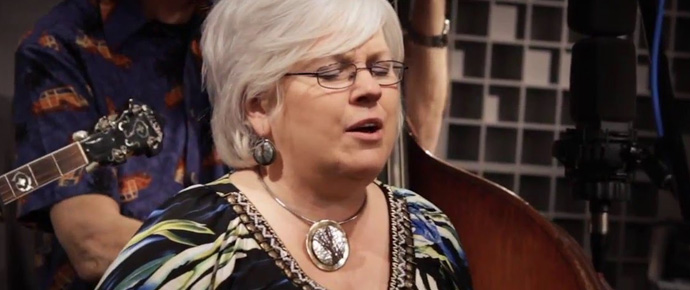
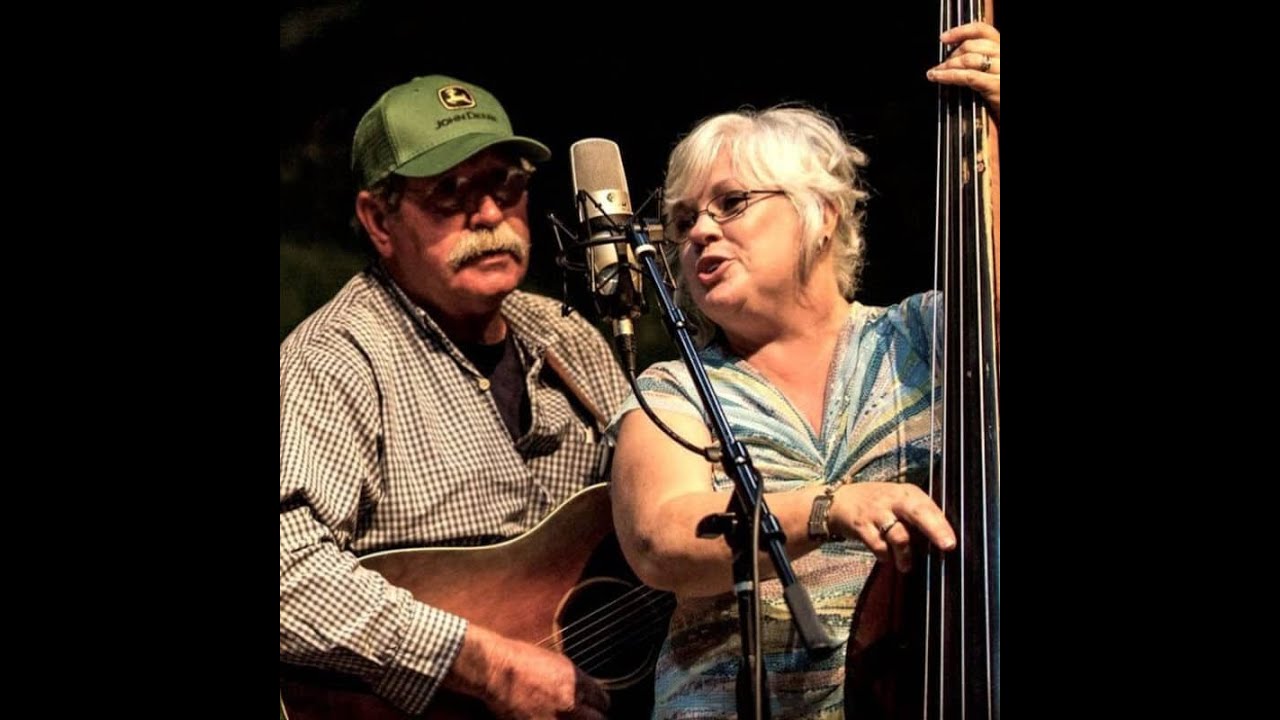
Linda Lay grew up singing and playing guitar, bass and autoharp in her family band...»
Linda Lay grew up singing and playing guitar, bass and autoharp in her family band. The group played music styles such as old-time (songs popular in the 1800s) and gospel, but also bluegrass and traditional country; these styles are so associated with the mountains of Appalachia that they are often called mountain music. Bluegrass is a more modern form of mountain music, created in the late 1930s and 1940s when traditional mountain music was combined with a driving banjo sound that was perfect for taking solos and showing off musical chops on stage and on the radio.
In addition to their own distinct musical traditions, the early settlers of southern Appalachia developed their own unique culinary traditions. Drawing upon their characteristic mountain resourcefulness, Appalachians fed themselves and their families by any means available to them—growing their own food, raising their own livestock and foraging for whatever indigenous food sources were available where they lived. Appalachians learned to make hearty and delicious dishes often from the simplest ingredients—wild greens and beans, corn flour, and wild and raised meats. They also developed recipes for preserving fresh foods without refrigeration in glass jars, a process known as “canning,” to last them through the often harsh winters. Over time the residents of Appalachia gained access to the wide range of natural and processed foods available in supermarkets throughout the country, but they have proudly maintained many of their favorite distinctly Appalachian-style staples- pinto beans and cornbread, chicken and dumplings, country ham and biscuits, as well as a host of culinary traditions brought to the region by recent immigrants.
Linda Lay grew up singing and playing guitar, bass and autoharp in her family band. The group played music styles such as old-time (songs popular in the 1800s) and gospel, but also bluegrass and traditional country; these styles are so associated with the mountains of Appalachia that they are often called mountain music. Bluegrass is a more modern form of mountain music, created in the late 1930s and 1940s when traditional mountain music was combined with a driving banjo sound that was perfect for taking solos and showing off musical chops on stage and on the radio.
In addition to their own distinct musical traditions, the early settlers of southern Appalachia developed their own unique culinary traditions. Drawing upon their characteristic mountain resourcefulness, Appalachians fed themselves and their families by any means available to them—growing their own food, raising their own livestock and foraging for whatever indigenous food sources were available where they lived. Appalachians learned to make hearty and delicious dishes often from the simplest ingredients—wild greens and beans, corn flour, and wild and raised meats. They also developed recipes for preserving fresh foods without refrigeration in glass jars, a process known as “canning,” to last them through the often harsh winters. Over time the residents of Appalachia gained access to the wide range of natural and processed foods available in supermarkets throughout the country, but they have proudly maintained many of their favorite distinctly Appalachian-style staples- pinto beans and cornbread, chicken and dumplings, country ham and biscuits, as well as a host of culinary traditions brought to the region by recent immigrants.
Linda Clayman Lay is one of the most respected voices in bluegrass music, a style of music developed in the American South in the middle of the 20th century...»
Linda Clayman Lay is one of the most respected voices in bluegrass music, a style of music developed in the American South in the middle of the 20th century. She grew up in Clayman Valley, a tiny community outside of Bristol, Tennessee, surrounded by music in a family that treasured the musical sounds of the Appalachian mountains. Her father, mandolinist Jack Clayman, formed a family band with Linda and her brothers and sisters, taking them to the places where the local musicians gathered, jammed, and performed. She hung around the Star Barbershop in Bristol, a place where you could get a haircut or jam with local musicians and learned to play the upright bass under the watchful eye of the barber/musician who owned the shop.
Linda possesses a memorably beautiful voice. For more than 30 years, she has sung professionally, leading numerous bands and taking bluegrass music into new directions. Today, she performs regularly with her husband David. In addition to performing together, Linda and David are professional farmers. Linda draws from their homegrown produce to cook up incredible pickled vegetables, jams and jellies and sauces as well as baked goods, using recipes and techniques learned from her family. Like music, food and food preparation is an important aspect of the cultural way of life within her community. On nearly any day, you can swing past Linda and David’s farm outside of Bristol and eat some of the finest and freshest food around. And as the sun sets and the farming ends, the instruments come out and music fills the night air.
Linda Clayman Lay is one of the most respected voices in bluegrass music, a style of music developed in the American South in the middle of the 20th century. She grew up in Clayman Valley, a tiny community outside of Bristol, Tennessee, surrounded by music in a family that treasured the musical sounds of the Appalachian mountains. Her father, mandolinist Jack Clayman, formed a family band with Linda and her brothers and sisters, taking them to the places where the local musicians gathered, jammed, and performed. She hung around the Star Barbershop in Bristol, a place where you could get a haircut or jam with local musicians and learned to play the upright bass under the watchful eye of the barber/musician who owned the shop.
Linda possesses a memorably beautiful voice. For more than 30 years, she has sung professionally, leading numerous bands and taking bluegrass music into new directions. Today, she performs regularly with her husband David. In addition to performing together, Linda and David are professional farmers. Linda draws from their homegrown produce to cook up incredible pickled vegetables, jams and jellies and sauces as well as baked goods, using recipes and techniques learned from her family. Like music, food and food preparation is an important aspect of the cultural way of life within her community. On nearly any day, you can swing past Linda and David’s farm outside of Bristol and eat some of the finest and freshest food around. And as the sun sets and the farming ends, the instruments come out and music fills the night air.
Southern Appalachia encompasses the mountainous regions of North Carolina, Tennessee, Virginia and West Virginia...»
Southern Appalachia encompasses the mountainous regions of North Carolina, Tennessee, Virginia and West Virginia. Since the 1600s, the area’s culture was formed by a multicultural environment made up of Scots-Irish and German immigrants from Europe, free and enslaved Africans, and the Cherokee, Iroquois, Powhatan and Shawnee peoples who inhabited the area before the arrival of Europeans. These groups intermingled and shared unique aspects of their own cultures and traditions, blending these into something new. Over the centuries, Appalachia has created and maintained a distinct and influential culture that includes rich culinary, storytelling, dancing and especially music traditions. Linda grew up in a small Appalachian community called Clayman Valley, an area near Bristol, Tennessee/Virginia (Bristol straddles the state line) that was named after Linda’s family, the Clayman’s. Bristol is known as the central place for the development of Country Music where the first major recording of country artists took place in 1927, often referred to as the “Big Bang of Country Music.”
Southern Appalachia encompasses the mountainous regions of North Carolina, Tennessee, Virginia and West Virginia. Since the 1600s, the area’s culture was formed by a multicultural environment made up of Scots-Irish and German immigrants from Europe, free and enslaved Africans, and the Cherokee, Iroquois, Powhatan and Shawnee peoples who inhabited the area before the arrival of Europeans. These groups intermingled and shared unique aspects of their own cultures and traditions, blending these into something new. Over the centuries, Appalachia has created and maintained a distinct and influential culture that includes rich culinary, storytelling, dancing and especially music traditions. Linda grew up in a small Appalachian community called Clayman Valley, an area near Bristol, Tennessee/Virginia (Bristol straddles the state line) that was named after Linda’s family, the Clayman’s. Bristol is known as the central place for the development of Country Music where the first major recording of country artists took place in 1927, often referred to as the “Big Bang of Country Music.”
After viewing Linda Lay’s video, before showing it to your class...»
After viewing Linda Lay’s video, before showing it to your class:
After viewing Linda Lay’s video, before showing it to your class:
Students watch accompanying video about the artist.
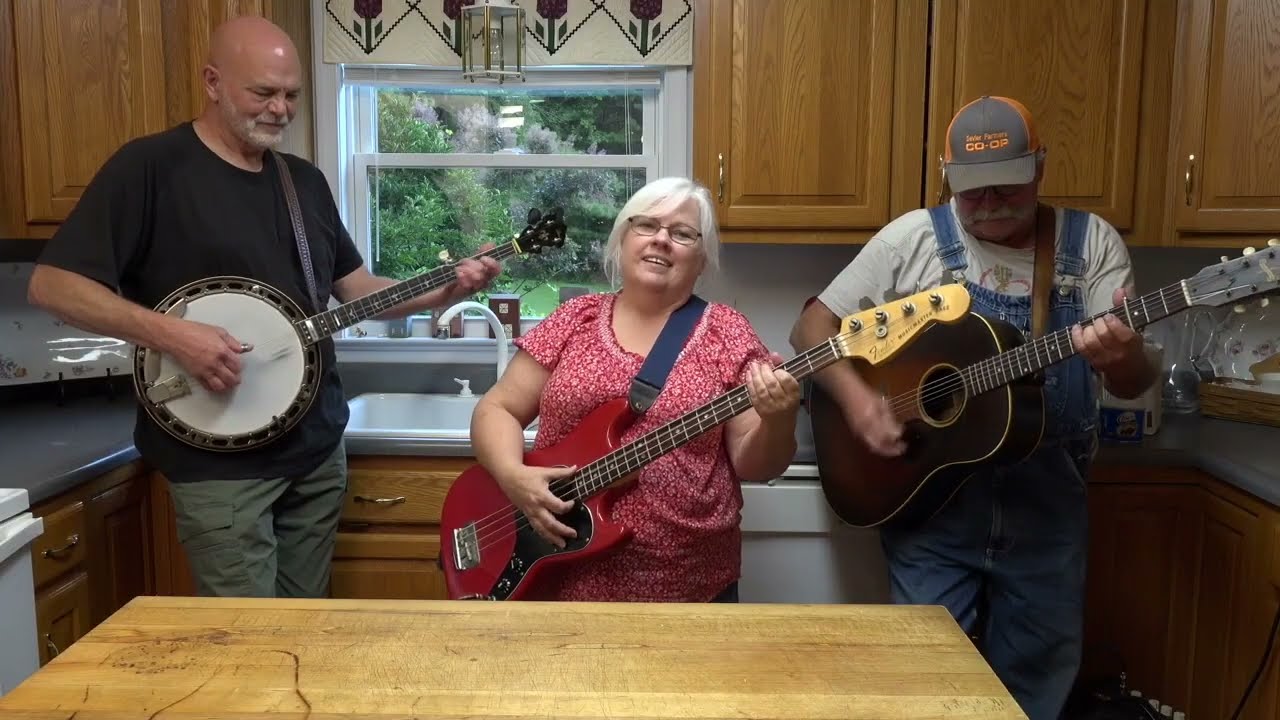
In a small group of 2-4 classmates, share your answers to these questions:
In groups of 2 or 3, write down 3 questions you want to ask Linda Lay when you meet her.
Building from your Roots
AT HOME
Take your interview skills home: interview a family member or caretaker about their roots. What do they believe makes up the roots that helped them to grow? Are your own family or community’s food traditions, music and stories similar to what you wrote in your roots image? Create a root map of your family member or caretaker to bring back and share with your class.
BRING FROM HOME TO SHARE
Bring a food or dish from home that represents your traditions and culture. Choose a song that is important and connected to this tradition to play for the class while they taste the food you brought. If possible, the teacher can create a class “playlist” on Youtube or Spotify made up of the students’ songs that they share with the class.
Write a thank you card for Linda Lay—be sure to include something personal about yourself and how it connects to her and her music.
As a small group, discuss what you learned about the Appalachian musical tradition through this activity with Linda Lay. Using the internet, research more about Appalachian music and answer these questions:
Students watch accompanying video about the artist.
In a small group of 2-4 classmates, share your answers to these questions:
In groups of 2 or 3, write down 3 questions you want to ask Linda Lay when you meet her.
Building from your Roots
Take your interview skills home: interview a family member or caretaker about their roots. What do they believe makes up the roots that helped them to grow? Are their roots of foods, traditions, music and stories similar to what you wrote in your roots image? Write a 1 – 2 page synopsis of your conversation and what you learned.
COOK WITH CULTURE
Ask a family member, caretaker or friend to cook a nourishing dish with you. This food should be both healthful (nourishing of the body) and but also connect to this person’s roots (nourishing of the spirit). Take a selfie of you making this dish with this person and bring in a copy of the recipe. The class can then make a cookbook.
Write a thank you card for Linda Lay—be sure to include something personal about yourself and how it connects to her and her music
As a small group, discuss what you learned about the Appalachian musical tradition through this activity with Linda Lay. Using a computer, research more about Appalachian music and answer these questions:

Describe how a narrator’s or speaker’s point of view influences how events are described.
Informational text: explain the relationships or interactions between two or more individuals, events, ideas or concepts in a historical, scientific or technical text based on specific information in the text.
Write informative/explanatory texts to examine a topic and convey ideas and information clearly.
Introduce a topic clearly, provide a general observation and focus, and group related information logically; include formatting (e.g., headings), illustrations, and multimedia when useful to aiding comprehension.
Engage effectively in a range of collaborative discussions (one-on-one, in groups, and teacher-led) with diverse partners on topics and texts, building on others’ ideas and expressing their own clearly.
Review the key ideas expressed and draw conclusions in light of information and knowledge gained from the discussions.
Compare and contrast the experience of reading a story, drama, or poem to listening to or viewing an audio, video, or live version of the text, including contrasting what they “see” and “hear” when reading the text to what they perceive when they listen or watch.
Informational text: determine the meaning of words and phrases as they are used in a text, including figurative, connotative, and technical meanings.
Write informative/explanatory texts to examine a topic and convey ideas and information clearly.
Conduct short research projects to answer a question, drawing on several sources and refocusing the inquiry when appropriate.
Engage effectively in a range of collaborative discussions (one-on-one, in groups, and teacher-led) with diverse partners on topics and texts, building on others’ ideas and expressing their own clearly.
Review the key ideas expressed and demonstrate understanding of multiple perspectives through reflection and paraphrasing.
Interpret information presented in diverse media and formats (e.g., visually, quantitatively, orally) and explain how it contributes to a topic, text, or issue under study.
Include multimedia components (e.g., graphics, images, music, sound) and visual displays in presentations to clarify information.