
Stay in the loop on new artists and teaching resources.
We add new artists and curriculum materials regularly. Join our list and we'll let you know when something new is a match for your classroom.
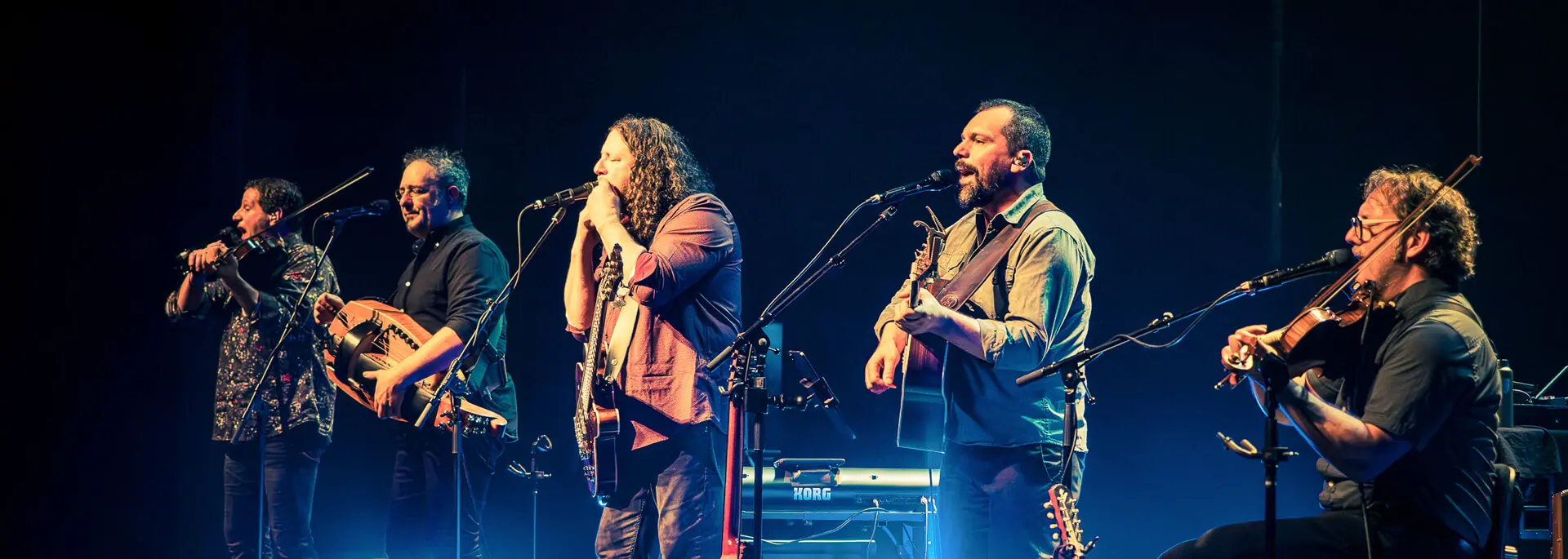
With its rhythmic fiddle style, unique tunes, step dancing and songs passed through generations, the French musical heritage of Quebec is filled with energy, excitement and emotion...»
With its rhythmic fiddle style, unique tunes, step dancing and songs passed through generations, the French musical heritage of Quebec is filled with energy, excitement and emotion. These songs and dances have now been passed down for more than 400 years. When Canada became an English-speaking British colony in 1763, these traditions were kept isolated in French-speaking communities throughout Quebec. While the songs and stories remained in their original historic language, they were influenced by the music of their neighboring communities consisting of Irish and Scottish immigrants, creating a unique French-Canadian style of music.
With its rhythmic fiddle style, unique tunes, step dancing and songs passed through generations, the French musical heritage of Quebec is filled with energy, excitement and emotion. These songs and dances have now been passed down for more than 400 years. When Canada became an English-speaking British colony in 1763, these traditions were kept isolated in French-speaking communities throughout Quebec. While the songs and stories remained in their original historic language, they were influenced by the music of their neighboring communities consisting of Irish and Scottish immigrants, creating a unique French-Canadian style of music.
Le Vent du Nord is a collection of master artists who play traditional French-Canadian music called Quebecois...»
Le Vent du Nord is a collection of master artists who play traditional French-Canadian music called Quebecois. Nicolas Boulerice grew up singing family songs of his community passed to him by his father. A talented pianist, he also learned to build and play the hurdy-gurdy, an instrument known in French as vielle à roue (the “wheel fiddle”). Olivier Demers is an accomplished fiddle player who started playing jazz and chamber music before finding his way back to the music of his home. Brothers Réjean and André Brunet grew up in a musical household in the town of Lacolle. With Réjean on accordion and André on fiddle, the brothers formed a duo, Les Frères Brunet (The Brunet Brothers) and toured the world, earning acclaim for the mastery of their instruments at a young age.
Since forming the band in 2002, Le Vent du Nord has toured across Canada and the world, and remain beloved in their homeland of Quebec. Their music combines new compositions as well as traditional tunes and call and response songs that the band members learned as children from their families. Le Vent du Nord brings the vibrant spirit and energy of Quebec to each of their shows.
Le Vent du Nord is a collection of master artists who play traditional French-Canadian music called Quebecois. Nicolas Boulerice grew up singing family songs of his community passed to him by his father. A talented pianist, he also learned to build and play the hurdy-gurdy, an instrument known in French as vielle à roue (the “wheel fiddle”). Olivier Demers is an accomplished fiddle player who started playing jazz and chamber music before finding his way back to the music of his home. Brothers Réjean and André Brunet grew up in a musical household in the town of Lacolle. With Réjean on accordion and André on fiddle, the brothers formed a duo, Les Frères Brunet (The Brunet Brothers) and toured the world, earning acclaim for the mastery of their instruments at a young age.
Since forming the band in 2002, Le Vent du Nord has toured across Canada and the world, and remain beloved in their homeland of Quebec. Their music combines new compositions as well as traditional tunes and call and response songs that the band members learned as children from their families. Le Vent du Nord brings the vibrant spirit and energy of Quebec to each of their shows.
Quebec is one of thirteen provinces and territories of Canada, located in the eastern portion of the country...»
Quebec is one of thirteen provinces and territories of Canada, located in the eastern portion of the country. It is the only province in the country whose official language is exclusively French. Quebec shares a border with the U.S. states of New York, New Hampshire, Maine and Vermont. When the first European explorers and colonizers arrived in this region, the Algonquian, Iroquois and Inuit First Nations controlled what is now Quebec. In 1522, French explorers claimed the land as “New France.” Initial French attempts at settling the region met with failure. However, French fishing fleets continued to sail to the Atlantic coast of what is now Quebec, making alliances with First Nations that would become important once France began to occupy the land. These initial voyages gave way to wave upon wave of French migration to New France. By the time of the American Revolution, the area had become known as Quebec and 99% of the people living there spoke French. Although initially tied to France, the people of this new land forged their own identity through their combined cultures, regional folklore, music and the changing of language to a unique French-Canadian dialect, distinct from what is now spoken in France.
Quebec is one of thirteen provinces and territories of Canada, located in the eastern portion of the country. It is the only province in the country whose official language is exclusively French. Quebec shares a border with the U.S. states of New York, New Hampshire, Maine and Vermont. When the first European explorers and colonizers arrived in this region, the Algonquian, Iroquois and Inuit First Nations controlled what is now Quebec. In 1522, French explorers claimed the land as “New France.” Initial French attempts at settling the region met with failure. However, French fishing fleets continued to sail to the Atlantic coast of what is now Quebec, making alliances with First Nations that would become important once France began to occupy the land. These initial voyages gave way to wave upon wave of French migration to New France. By the time of the American Revolution, the area had become known as Quebec and 99% of the people living there spoke French. Although initially tied to France, the people of this new land forged their own identity through their combined cultures, regional folklore, music and the changing of language to a unique French-Canadian dialect, distinct from what is now spoken in France.
After viewing the Le Vent du Nord video, before showing it to your class...»
After viewing the Le Vent du Nord video, before showing it to your class:
After viewing the Le Vent du Nord video, before showing it to your class:
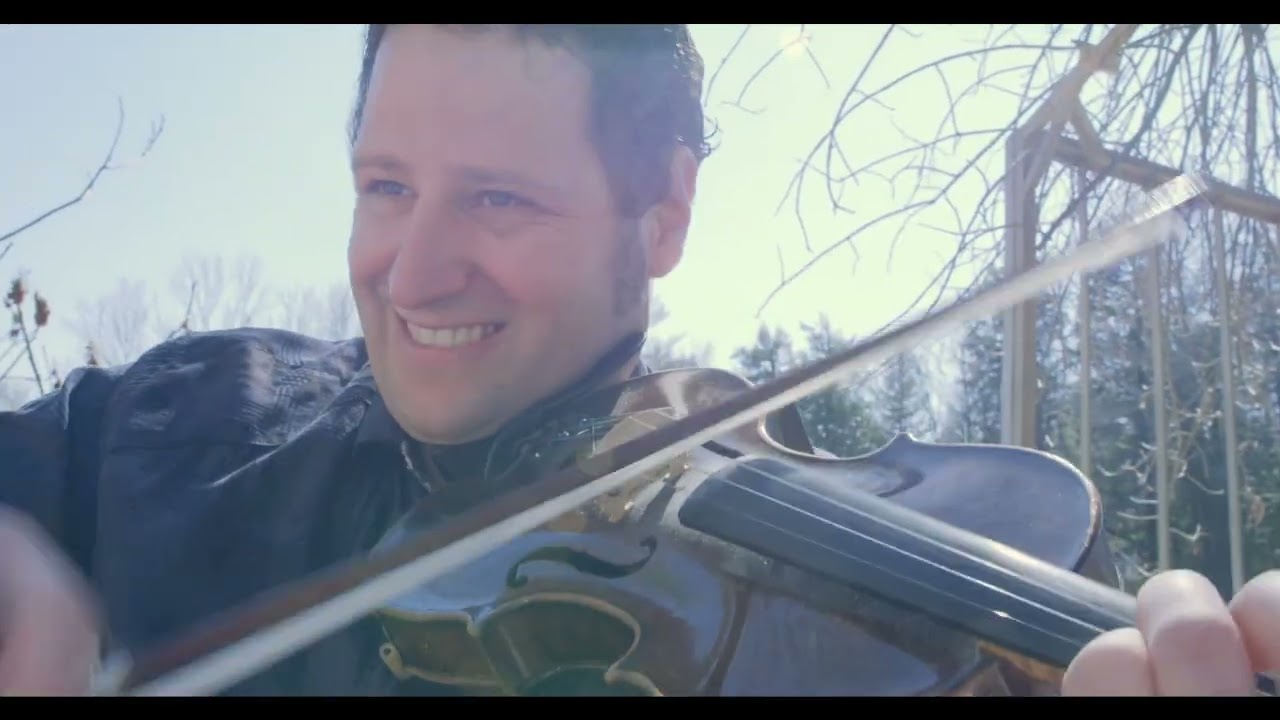
Students watch the accompanying video about Le Vent du Nord.
In a small group of 2-4 classmates, discuss these questions:
In groups of 2 or 3, write down 3 questions you want to ask members of Le Vent du Nord when you meet them.
Explore the following questions as you think about your life, home, and community:
Write a thank you card to Le Vent du Nord—be sure to include something personal about yourself and how it connects to them and their music.
Le Vent du Nord discussed how they play “Kitchen Music”—music that can be sung or played while making and sharing meals, and which brings people together for joyful occasions.
Interview a family member or someone from your community with the following question: what, if any, is your shared “kitchen music” that is traditionally sung while making food or working on a meal with friends or family? Are there other types of oral traditions, such as stories or jokes that often take place in your kitchen?
Students watch the accompanying video about Le Vent du Nord.
n a small group of 2-4 classmates, discuss these questions:
In groups of 2 or 3, write down 3 questions you want to ask members of Le Vent du Nord when you meet them.
The members of Le Vent du Nord described the many ways their musical style and instruments came together from so many different places and historical traditions. This is not unlike your class and school community which combines many students from different backgrounds, likes and dislikes.
Using the “Where the Wind Blows” pdf, think of something that describes who you are, what you like or don’t like, or speaks to your own family and culture. (Examples: my family moved from another country, I speak another language besides English, I don’t like spicy foods, etc.)
Write your description above the clouds and then post your cloud image in the room. You and your class will then move around the room and sign all sign your names in the clouds where you relate to the description or share that trait.
Join a class discussion—what was something that you had in common with a class member which surprised you?
Explore the following questions as you think about your life, home and community:
Write a thank you card to Le Vent du Nord—be sure to include something personal about yourself and how it connects to them and their music.
Le Vent du Nord described how they play “Kitchen Music”—music that can be sung or played while making and sharing meals, and which brings people together for joyful occasions.
Interview a family member or someone from your community with the following question: what, if any, is your shared “kitchen music” that is traditionally sung while making food or working on a meal with friends or family? Are there other types of oral traditions, such as stories or jokes that often take place in your kitchen?

Describe how a narrator’s or speaker’s point of view influences how events are described.
Explain the relationships or interactions between two or more individuals, events, ideas, or concepts in a historical, scientific, or technical text based on specific information in the text.
Introduce a topic clearly, provide a general observation and focus, and group related information logically; include formatting (e.g., headings), illustrations, and multimedia when useful to aiding comprehension.
Review the key ideas expressed and draw conclusions in light of information and knowledge gained from the discussions.
Compare and contrast the experience of reading a story, drama, or poem to listening to or viewing an audio, video, or live version of the text, including contrasting what they “see” and “hear” when reading the text to what they perceive when they listen or watch.
Determine the meaning of words and phrases as they are used in a text, including figurative, connotative, and technical meanings.
Conduct short research projects to answer a question, drawing on several sources and refocusing the inquiry when appropriate.
Review the key ideas expressed and demonstrate understanding of multiple perspectives through reflection and paraphrasing.
Interpret information presented in diverse media and formats (e.g., visually, quantitatively, orally) and explain how it contributes to a topic, text, or issue under study.
Include multimedia components (e.g., graphics, images, music, sound) and visual displays in presentations to clarify information.